Discuss Your Circuit Design & Automation Project
Custom Electronic Circuit Design for Your Requirements
A custom circuit starts with the job your equipment must perform. An existing board may have unsuitable dimensions, too few inputs or a control sequence that does not match your process. We work from your functional requirements to define a suitable hardware approach and the development work needed to implement it.
The initial discussion covers supply voltage, connected devices, input and output signals, available space and operating conditions. Photos, wiring diagrams, an existing sample or a simple description of the process can help explain the requirement. If the specification is incomplete, we identify the decisions needed before the design scope and quotation can be confirmed.
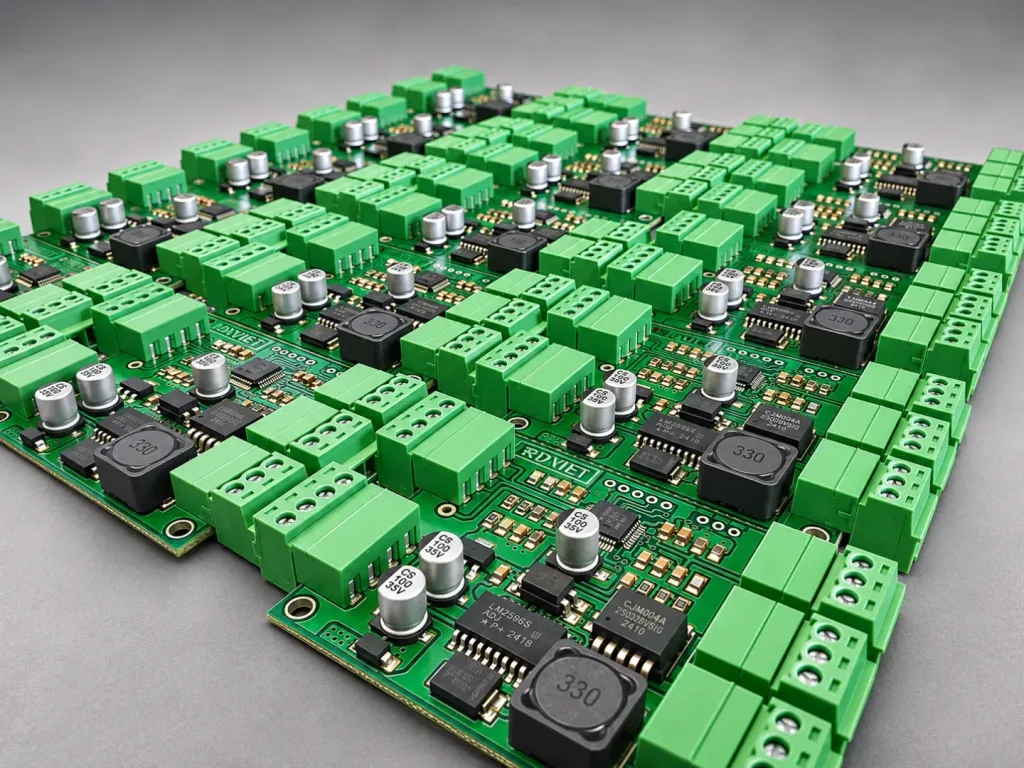
Hardware design may involve signal interfaces, power sections, connectors and a microcontroller-based control circuit, depending on the application. Prototype fabrication, assembly and functional checks are separate scope items to confirm in the quotation. Describe the result you need, including how the board will connect to the rest of the machine, rather than choosing components before the application is understood.
Automation Programming and Embedded Control
Automation programming translates an operating process into defined control behavior. For a custom electronic controller, this means deciding what should happen when an input changes, which conditions permit an output to operate, and how the equipment should respond to a stop command, missing signal or restart.
We discuss the required sequence with you before implementing embedded control logic. Depending on the agreed project, the discussion can cover sensor inputs, actuator commands, timing, operating modes, status indications and communication with other devices. These are specification topics; the functions included in your project are those explicitly agreed in its scope.
- Inputs: which signals are available, their electrical characteristics and the conditions they represent.
- Control sequence: the order of operations, timing and conditions for moving between steps.
- Outputs: what each connected device should do and which hardware interface it needs.
- Exceptions: the required response to invalid inputs, interrupted operation and power restoration.
- Acceptance: observable behaviors used to decide whether the agreed functions have been delivered.
For example, a useful request describes a sensor event, the output action it should trigger and the condition that ends the action. This gives the hardware and firmware work a shared target. Any machine-level safety requirements must also be identified during specification so that responsibilities and verification can be agreed.
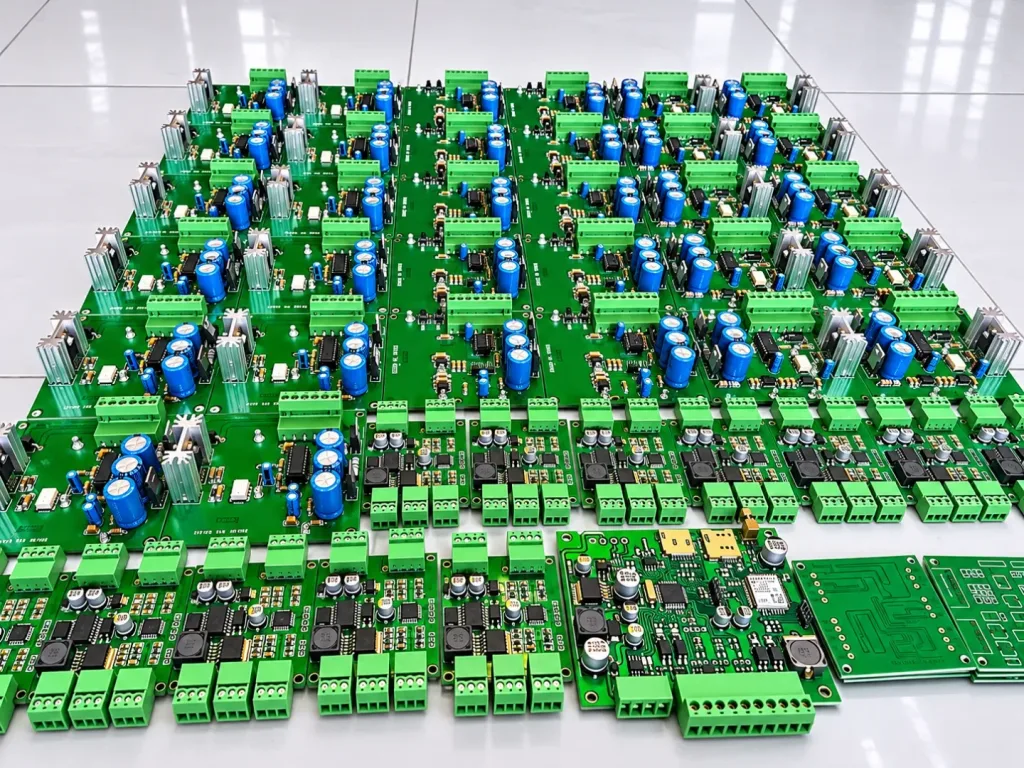
Need a dedicated controller for a specific operating sequence? Explore our custom automation control board design and programming for guidance on inputs, outputs, hardware interfaces and functional acceptance.
KiCad PCB Design and STM32 Development
KiCad schematic capture and PCB layout
KiCad supports the schematic and PCB layout stages of a custom board project. The design process connects the circuit requirements to component selection, footprints, board dimensions and connector placement. Electrical and layout checks help identify issues before the agreed fabrication stage; they are part of a development process, not a substitute for testing the assembled hardware.
If you already have a circuit or enclosure, share the available information at the start. This helps establish whether the work is a new design, a revision or a layout task. Native KiCad files and manufacturing outputs are supplied only when included in the agreed delivery scope.
STM32 programming for application-specific control
STM32 firmware development is planned around the selected microcontroller, board interfaces and required behavior. The project combines hardware design and programming around the required device behavior. Peripheral configuration, communication, debugging and functional testing are defined according to the application.
Tell us whether you need a finished programmed controller or a development handover that includes specified source files. These represent different delivery requirements and must be reflected in the quotation.
Planning firmware for a custom electronic product? Explore our embedded firmware and microcontroller programming services for the information needed to scope development, functional checks and delivery.
For schematic development, board dimensions, connector placement and layout requirements, see our custom PCB design and KiCad layout services. Hardware and programming can be scoped together for the product.
For printing equipment, explore our Mitsubishi offset press ink-control upgrades, combining CMYK and spot-color processing, direct ink presets and job saving.
Delivery Scope and Pricing: Agreed at the Start
Deliverables depend on the requirements and price agreed at the start of the project. Delivery may include the finished product only. Source code, design files and technical documentation are included only when expressly agreed in the quotation or project scope.
Commissioning a custom circuit or automation program does not automatically mean receiving every development file. Before work begins, we agree what will be supplied, the functions to be demonstrated and the applicable price. If your team needs to maintain the firmware or modify the circuit independently, state that requirement in the initial inquiry.
| Delivery requirement | What must be agreed |
|---|---|
| Finished product only | The product, quantity, programmed functions and acceptance conditions. Code and design files may be excluded. |
| Specified design files | The exact files required, such as KiCad project files, schematics, BOM or manufacturing outputs, and their inclusion in the price. |
| Specified firmware source | Which source files and build information are included, together with the agreed terms for their use. |
| Documentation or further support | The required documents, assistance, duration and price, where applicable. |
File delivery, modification rights and intellectual property terms should be recorded explicitly. Requests added after the scope is confirmed are reviewed for their effect on work, price and schedule before proceeding.
From Your Requirements to the Agreed Product
- Describe the application. Explain the equipment, desired operation and available hardware.
- Confirm the scope and quotation. Agree functions, interfaces, acceptance conditions, deliverables and price before development.
- Develop the hardware and control program. Carry out the design, programming and prototype work included in the project.
- Check and hand over. Verify the agreed functions and supply the product and any additional deliverables listed in the agreement.
A clear scope makes the handover easier to assess. It establishes what the controller should do and what you will receive, including whether the delivery is product-only. Schedule, payment, warranty and support conditions are confirmed in the quotation or project agreement.
Send Your Project Requirements on WhatsApp
What to Send for a Custom Design Quote
You do not need a finished technical specification to start a conversation. Send the information you have, and identify what still needs to be decided:
- The purpose of the circuit and a step-by-step description of the required operation.
- The power supply, connected sensors, loads and available interface information.
- Photos, wiring diagrams, existing board references or enclosure dimensions.
- The expected quantity, intended operating conditions and target schedule.
- Your preferred handover: finished product only, or specifically listed code, design files and documents.
Please mention source-code or design-file requirements in the first inquiry. This allows us to quote for the delivery you actually need. Prices and timelines depend on the specification and agreed scope.
Flatbed Printer Boards: A Brief Introduction
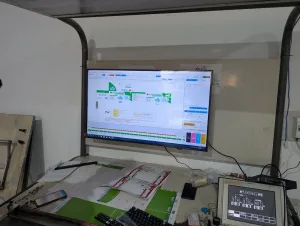
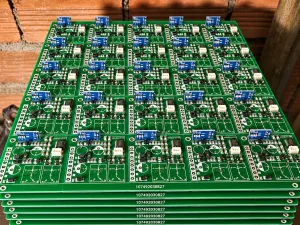
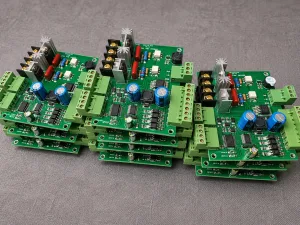
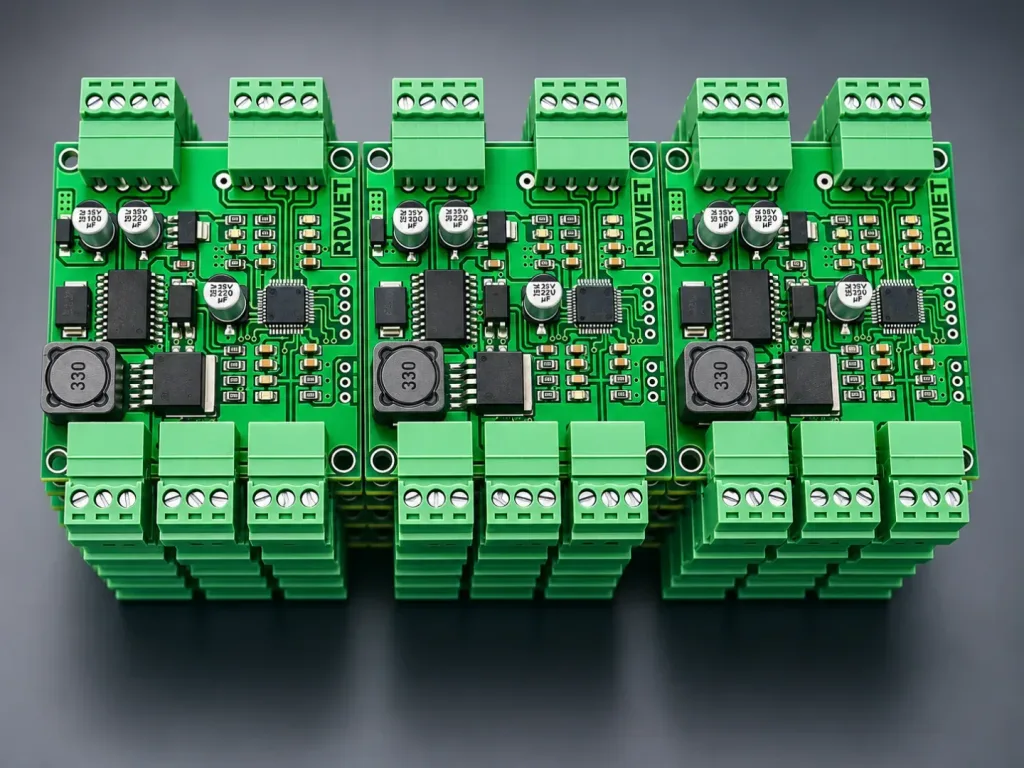
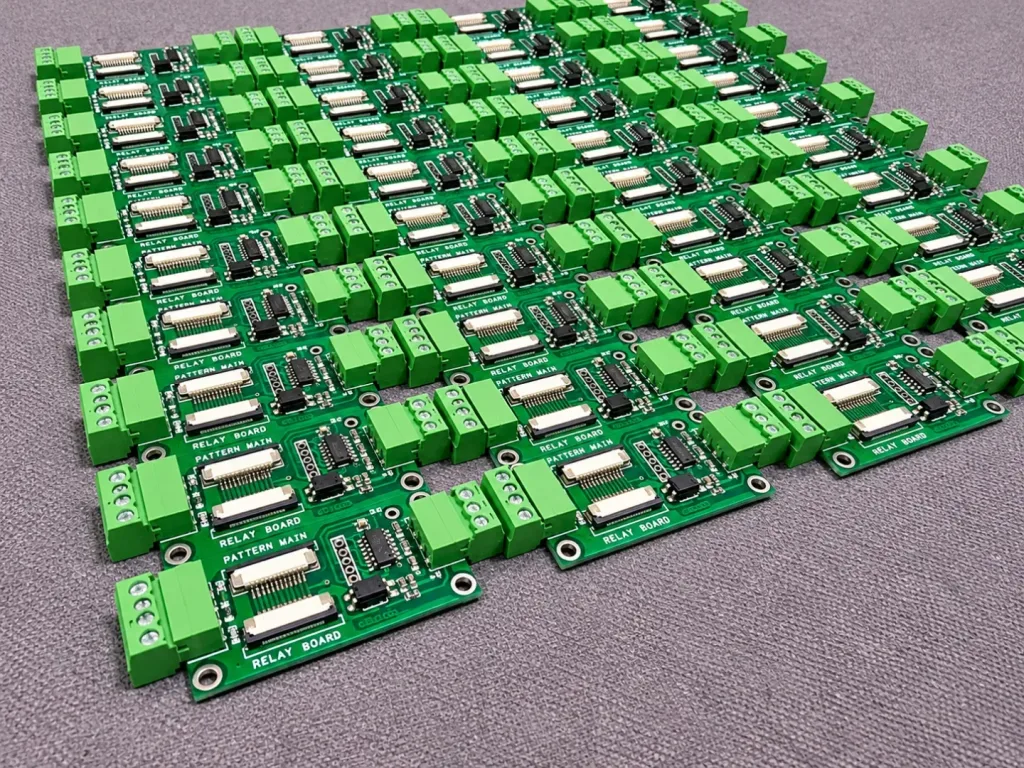
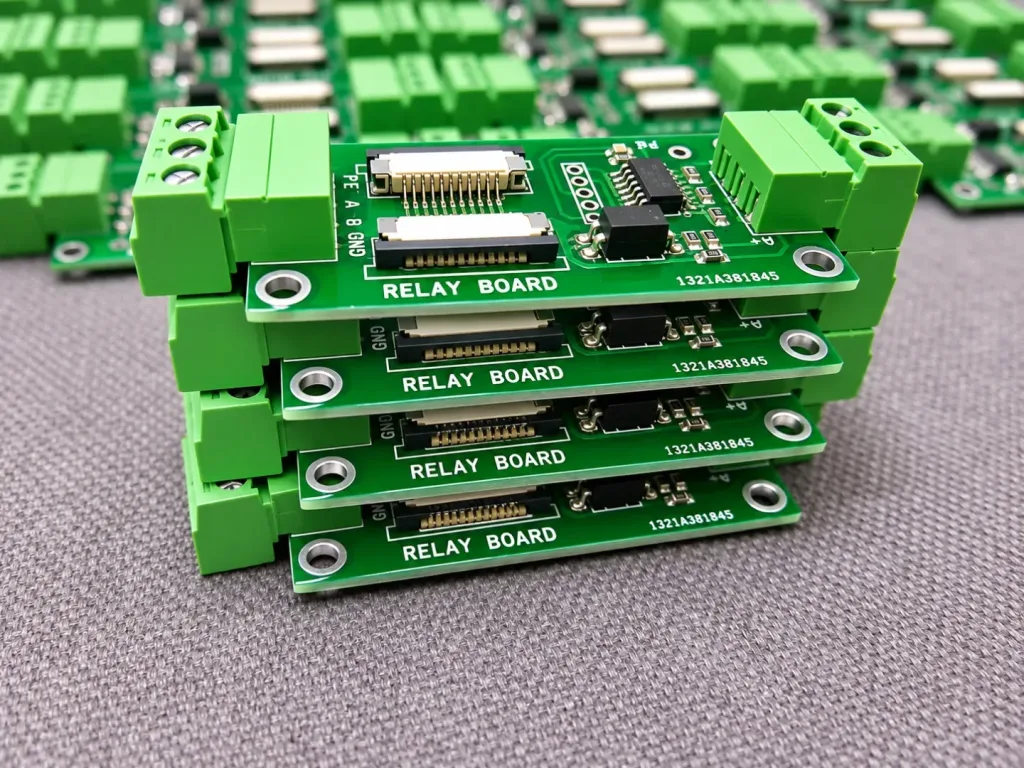
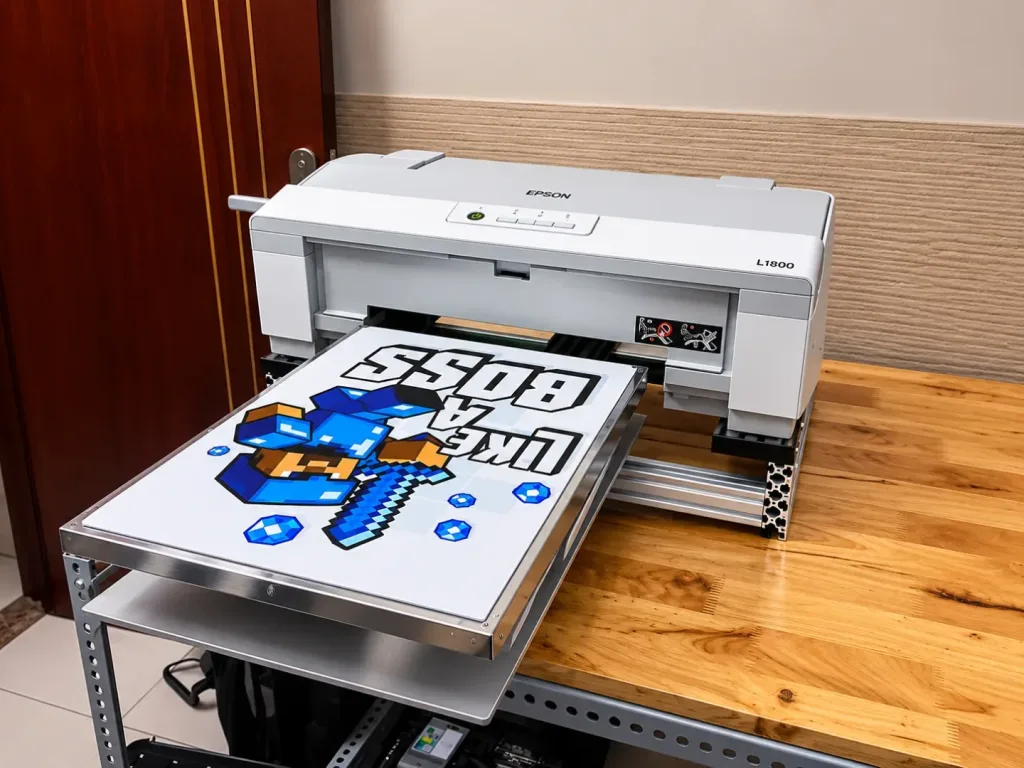
Alongside custom circuit design and automation programming, we also supply boards for flatbed printer applications, subject to discussion of the particular requirement. This is a related application area within our electronics work. The images below introduce relay boards and a flatbed printer example; they do not establish compatibility between a specific board and a printer model.
If you would like to learn more, send the printer model, clear photos of both sides of the existing board and details of the function you need. Connector shape alone is insufficient to choose a replacement. Board revision, pin assignments, power requirements and the surrounding control system need to be checked before a suitable option can be discussed.
The printer photo shows equipment carrying an Epson L1800 label. It does not imply Epson endorsement or confirm that the illustrated relay boards fit that machine. Availability, compatibility, price and any delivery arrangements are confirmed individually. For a custom controller or printer-related modification, explain the required behavior so we can discuss whether a design project is appropriate.
Learn More About Flatbed Printer Boards →
Frequently Asked Questions
Can you design a circuit for my own operating requirements?
Yes. Send the required functions, available power, connected devices and mechanical constraints. We discuss the hardware and programming scope before confirming the quotation.
Do you provide automation programming with STM32?
We provide STM32 programming for embedded control requirements. The microcontroller, interfaces and operating sequence are selected or reviewed for the specific application and agreed scope.
Is source code included?
Not automatically. Deliverables depend on the initial requirements and agreed price. Delivery may consist only of the finished product, without source code. Source files are included only when expressly agreed.
Will I receive the KiCad project and manufacturing files?
Only if those files are included in the quotation or project scope. List the files you need before pricing is agreed; commissioning the product does not automatically include a complete design-file handover.
How do I request a price and development schedule?
Contact us on WhatsApp with your application, operating sequence, hardware information, quantity and required deliverables. Price and schedule are discussed after the scope is understood.
How can I ask about a flatbed printer board?
Send the printer model, board photos and the function required. A specific board’s suitability and availability need confirmation before purchase.
Contact Us in Ho Chi Minh City, Vietnam
Discuss your custom circuit design or automation programming requirements directly with us. Include your desired product behavior and handover requirements so the quotation can reflect the scope from the start.
RDVIET757/44 Nguyen Anh Thu Street, Trung My Tay Ward, Ho Chi Minh City, Vietnam
WhatsApp / phone: +84 908 234 734