Discuss Your Firmware Requirements
What Can a Custom Firmware Development Project Include?
Firmware is the software running on the embedded controller inside a device. Its job depends on the product: it may acquire measurements, interpret inputs, manage operating states, command outputs or exchange data with another system. The development task begins by defining that behavior, rather than selecting a list of features without reference to the hardware.
We discuss programming around the work your equipment must perform. Depending on the agreed requirements, the scope can involve:
- Sensor and measurement functions: reading the specified signals, applying the agreed processing and making results available to the device.
- Control behavior: responding to inputs, managing timing and issuing commands through suitable hardware interfaces.
- User interaction: handling the buttons, indicators or display included in the specification.
- Device communication: exchanging defined commands and data with a computer, another controller or a connected system.
- Application settings: managing configuration and startup behavior where required.
These are topics for defining a project, not a standard bundle included in every quotation. Firmware can support a standalone electronic device as well as an automation or IoT application. A network connection is only part of the scope when the application requires it.
Microcontroller Programming: Start with the Exact Device
The controller is selected to suit the product requirements. STM32 and ESP32 are possible platforms; Arduino and ESP8266 projects can also be discussed. The exact device, required interfaces and development environment are confirmed for each project.
The controller is considered alongside the required signals, interfaces and operating behavior. Share connected-device specifications, power requirements and mechanical constraints so hardware and firmware can be planned together.
A clear request states what needs to happen, which signals are available and what constraints apply. Specific software functions and the implementation approach are then agreed for that application. If the task mainly concerns a dedicated machine controller, see our custom automation control board design and programming service.
Define the Hardware Before Developing Its Firmware
Start with what the product needs to do: the signals it receives, the outputs it controls, the devices it communicates with and the conditions in which it operates. These requirements guide the circuit design and program together.
| Requirement | Information to provide |
|---|---|
| Inputs and outputs | Sensor specifications, connected loads, signal levels and required responses. |
| Power and installation | Available supply, enclosure space, connectors and operating conditions. |
| Operation and acceptance | Operating sequence, settings, startup behavior and the functions to demonstrate. |
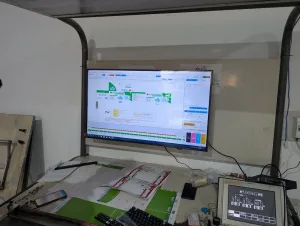
For a machine upgrade, photographs and available wiring records help establish which equipment must connect to the new controller. The main service is custom hardware with programming. Arduino, ESP8266 and ESP32 programming requests are assessed separately against the selected platform and functions.
Developing Hardware and Firmware Together
When a suitable board does not yet exist, custom circuit design and embedded programming can be included in the same project. The hardware discussion covers the signal interfaces, power supply, connectors and mechanical constraints; the firmware discussion defines what the device does with those connections.
Considering the two together helps establish which functions need hardware support and which are implemented in software. The quotation identifies whether schematic design, KiCad PCB layout, prototype work and programming are included. The included development and delivery items are agreed before work begins.
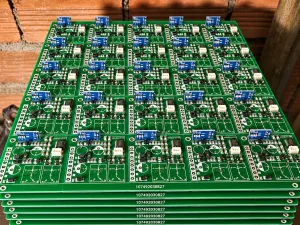
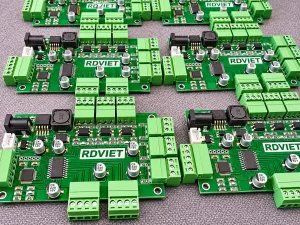
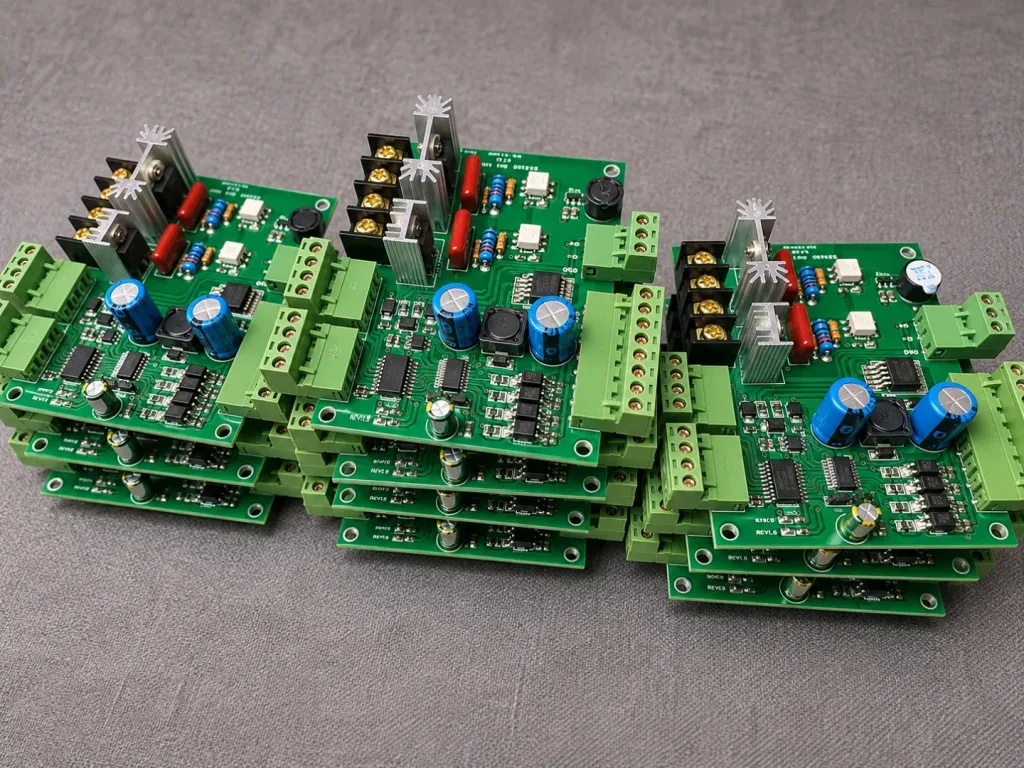
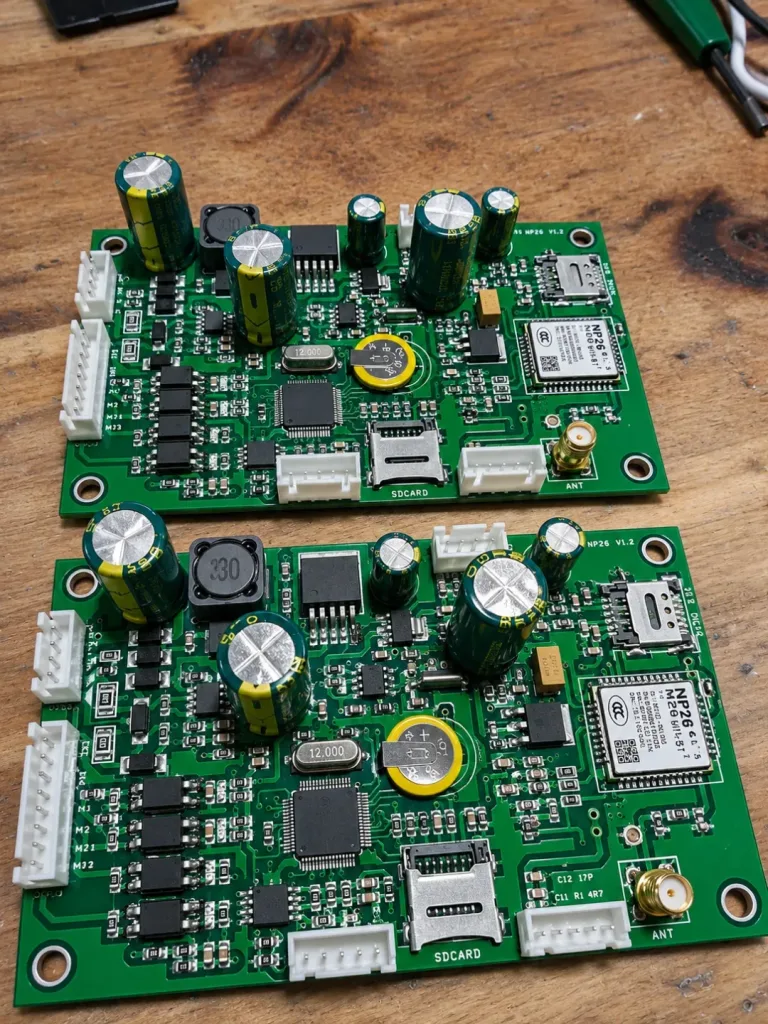
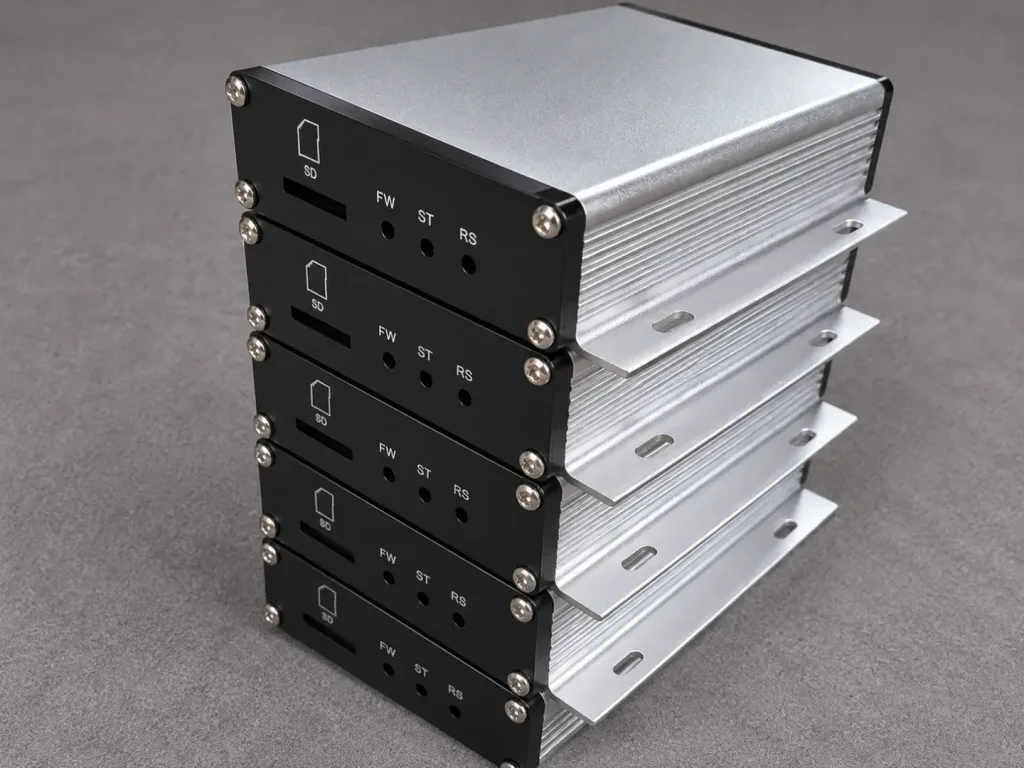
Explore our custom electronic circuit design and programming overview if your project includes a new board. The hardware photographs in this article illustrate physical boards and enclosures; the firmware functions for your product must be specified separately.
Define the Interfaces and How the Device Should Behave
A request to “communicate with another device” needs more detail before development can begin. Identify the other equipment, the available electrical interface, its protocol information and the data or commands to exchange. Connection type and application behavior both matter.
Depending on the application, the discussion may involve serial interfaces, sensor connections or communication with a host system. Features such as a PC interface, wireless communication, data storage or remote connectivity are reviewed individually. No communication feature is assumed from a connector or module visible in a photograph.
Describe the expected response when a message is invalid, a device is absent or power is interrupted. Also define what should be shown to the operator and which state the device should enter after restarting. These decisions make the required behavior clearer and give later functional checks a useful reference.
Debugging and Functional Acceptance
Firmware debugging investigates whether the program and hardware behave as intended under the agreed conditions. Functional acceptance then checks that the specified inputs, commands and operating situations produce the expected results. The test arrangement and the functions to demonstrate should be defined before development is completed.
- What input or command starts each function?
- What result, indication or output should be observed?
- Are there timing or measurement requirements to verify?
- What should happen when a signal or communication response is missing?
- Which hardware, connected devices and operating conditions will be used for acceptance?
For testing with connected equipment, agree how the sensors, loads and machine interfaces will be made available. Responsibilities for integration into the complete machine or product also need to be clear. A successful check on a development setup does not by itself establish every aspect of the final product’s performance.
Firmware Deliverables and Quotation Scope
Delivery depends on the requirements and price agreed at the start. It may include the finished programmed product only, without source code. Firmware source, build files, design files and technical documentation are provided only when expressly included in the quotation or project scope.
If your engineering team needs to build, maintain or extend the program independently, state that in the initial request. The files required, development environment information and applicable usage terms need to be agreed explicitly. Do not assume that commissioning a programmed product automatically includes every development file.
Price and schedule depend on the board information, required functions, hardware design, development hardware, acceptance work and requested handover. Additional features, documentation or support are reviewed for their effect on scope before proceeding.
What to Send for an Embedded Firmware Quote
You can begin with a concise description and the information already available. To help us assess the work, send:
- Application: what the device does and the functions you need developed.
- Hardware: controller reference, board revision, schematic, connector details and clear photographs.
- Behavior: inputs, outputs, operating states, timing and startup requirements.
- Interfaces: connected devices, protocol information and expected data exchange.
- Software requirements: settings, operator interface and data handling needed for the product.
- Acceptance and delivery: the hardware available for checks, desired schedule and whether you need a programmed product only or specifically agreed files.
Mark anything that is still undecided. Clarifying missing requirements is part of scoping the work; a fixed quotation cannot be inferred from the microcontroller name alone.
Send Your Firmware Project Brief
Frequently Asked Questions
Is your programming service limited to IoT or machine automation?
No. The scope is defined around the electronic device and its required behavior. Standalone sensing, measurement, control and communication functions can be discussed as well as connected applications.
Can you design a board and program its microcontroller?
Yes. Describe the functions, connected devices, power supply and installation constraints so the hardware and firmware can be scoped together.
Do you accept Arduino, ESP8266 and ESP32 programming requests?
Yes. Send the selected platform, required functions and hardware information for assessment. The scope and handover are agreed for each project; support for every existing board is not assumed.
Is firmware source code included?
Not automatically. Delivery may be a finished programmed product without source code. Source, build files and documentation are supplied only when included in the requirements and price agreed from the start.
Can firmware be developed for a machine upgrade?
Yes, as part of an agreed control-board and programming project. Share the machine interfaces, existing operation and functions to improve so the integration can be assessed.
Contact Us for Custom Firmware Development
Share your device’s required functions, board information and preferred delivery scope. Visit Services in English to explore related electronics development work.
RDVIET757/44 Nguyen Anh Thu Street, Trung My Tay Ward, Ho Chi Minh City, Vietnam
WhatsApp: +84 908 234 734
Phone: +84 908 234 734